
Ellen here, and I’m thrilled to welcome my friend and fellow San Fernando Valley dweller Kyra Davis Lurie, who has an exciting release to share. Wait until you hear about it. I cannot wait to pick up a copy of this book!
I’ve never been one to keep up with the Kardashians. I don’t care who Selena Gomez is dating or who Jennifer Lopez is divorcing. But my new novel, The Great Mann is chalk full of Black Hollywood stars from the 1940s and while researching it I came to new a realization:
The best celebrity gossip is vintage celebrity gossip.
I may have shrugged off the beef between Cardi B and Nicki Minaj, but when I found out that Lena Horne and Ethel Waters (both featured in my novel) had a battle-of-the-divas showdown while filming Cabin In the Sky? That’s the good stuff. Like an 80-year-old scotch, it’s so delicious and rich, you gotta savor it.
When I learned Lena had a torrid love affair with Orson Wells I made a bucket of popcorn and lost myself in my research.
But I think what I love most about this Golden-Age-Gossip is the insight I gained into how dramatically different the Black celebrities were from their characters and from their public personas.
Take Louise Beavers, also featured in The Great Mann. Louise was famous for playing charming but meek, subservient maids who happily tended to the whims and needs of white employers. The studios’ publicity teams told the press that between productions Louise was known to do a little housekeeping work for her white costars.
That was a lie.
The real Louise Beavers lived in a three-story mansion, left the cooking and cleaning to her husband, hosted a weekly poker game and could often be found ringside at a boxing match enjoying a fine, Cuban cigar.
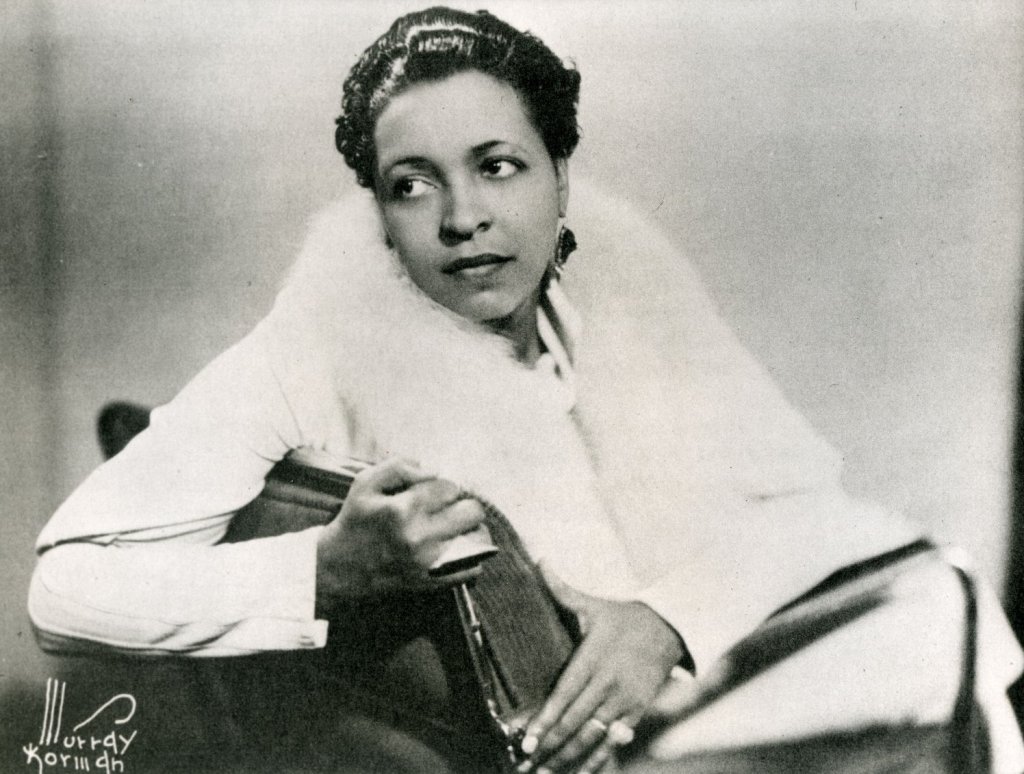
Then there’s Ethel Waters. As was the case with Louise, Hollywood usually cast Ethel in the role of an impoverished-Black-woman. On screen she longed for nothing more than a simple, modest life.
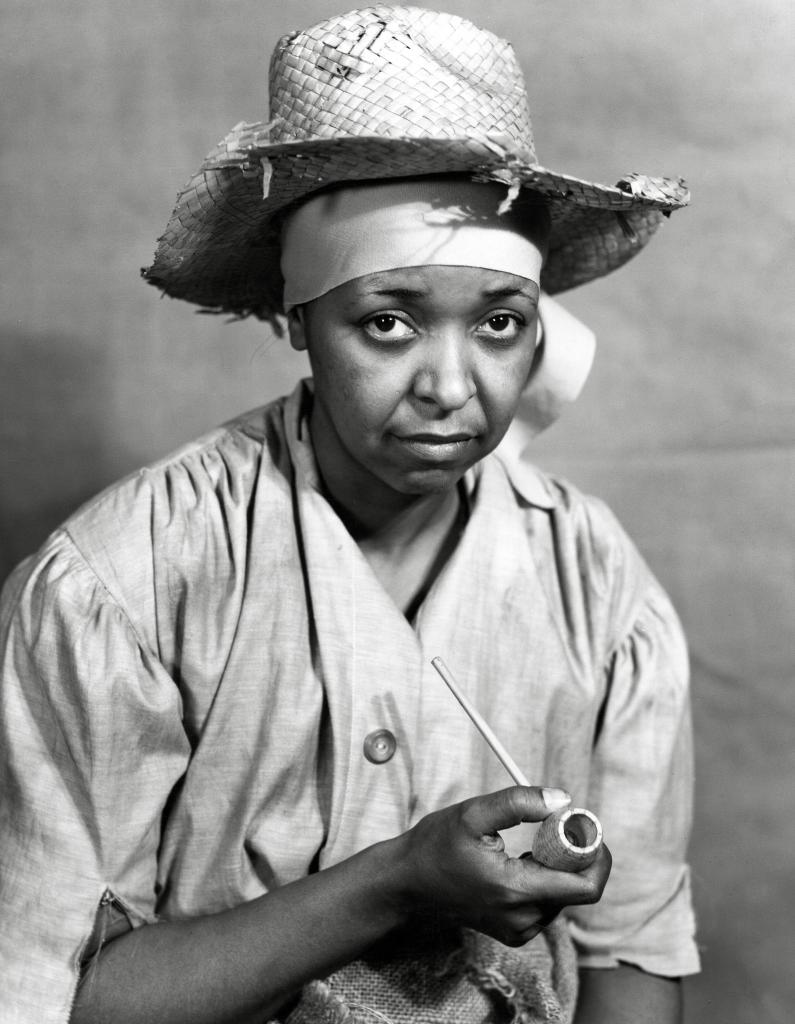
But in her private life, Ethel surrounded herself with luxuries. She loved to walk into stores full of white people only to shock them by making a show of purchasing the most expensive items available. My favorite story is the one in which a clerk allowed her to try on a white mink because he thought it was funny. He went so far as to loudly announce that he’d sell her the coat for $450 (approximately $8000 in today’s money) even though it was worth $1200. That earned him a chuckle from some of the nearby patrons who were confident this gullible, Black woman wouldn’t be able to afford either price.
But once she had it on, Ethel Waters refused to take off the coat. When she said she wanted to buy it for the $450 the employee, now flustered, insisted she’d have to pay all cash, upfront. But that didn’t faze Ethel. She simply had another salesperson accompany her to the bank where she withdrew $450, placed the bills in the stunned associate’s hand and then went off on her merry way, wrapped up in her brand-new mink.
And then there’s Hattie McDaniel. Hattie was perhaps the biggest contradiction of them all. Most famous for her turn as Mamie in Gone With The Wind, the studios constantly leaked stories to the press about how she doted on her white costars and loved to serve them. The studio heads wanted audiences to believe that Hattie was Mamie and for the most part, the public bought it.
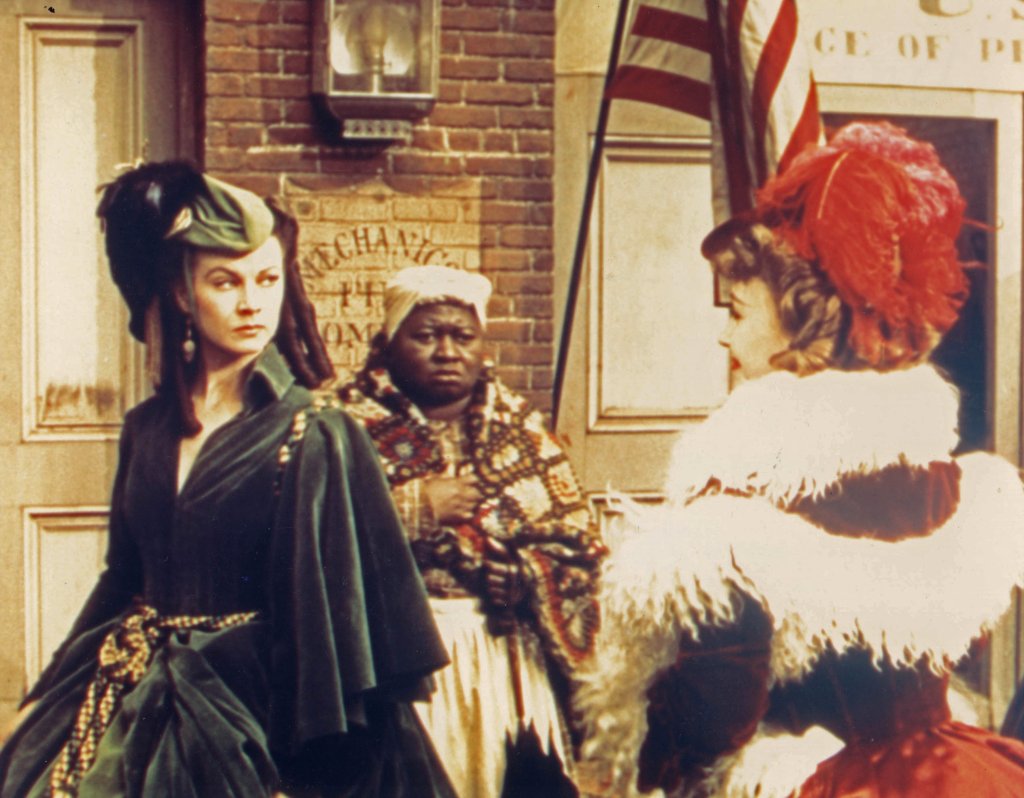
But while Gone With The Wind celebrated the Confederacy, Hattie was actually the daughter of an escaped slave who went on to be a hero in the Union Army. Hattie was also well read, witty, insightful and glamourous. She was known for having chauffeured limos pick up her out-of-town guests from the airport. When they arrived at her mansion they were greeted by a butler in formal attire.
“[Hattie] had the most exquisite house I had ever seen in my life,” noted Lena Horne, “the best of everything.”
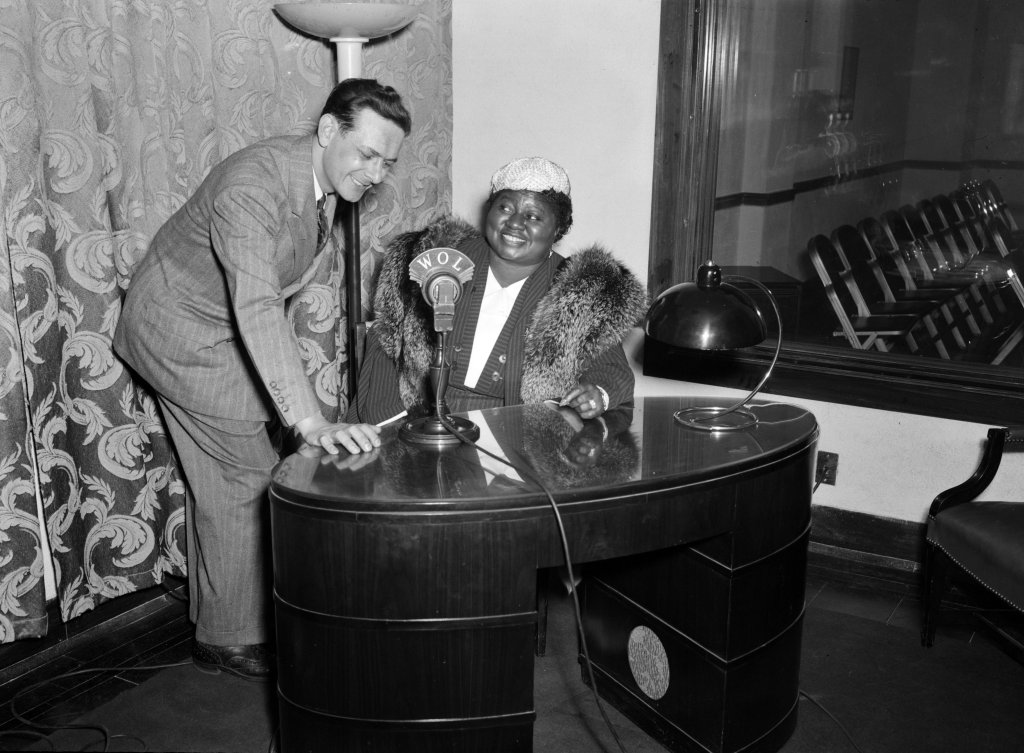
Hattie McDaniel could also be vengeful. Anyone who dared insult her or do anything that might damage her career was in for a world of hurt. Hattie’s publicist, a Black woman named Ruby Berkley Goodwin (who is also the inspiration for one of my fictional characters, Anna) accompanied Hattie to every interview in hopes of restraining her hot-tempered client and preventing her from saying anything truly scathing to a journalist.
It didn’t always work.
As you’ve probably gathered by now, I became a little obsessed with my research. Seeing African American actresses of the 1940s as they really were instead of how the press tried to make them out to be was thrilling.
It was also a little infuriating.
Hattie, Ethel, Louise and all the other historical figures I include in my novel earned a better legacy than the one they have. I want to see images of Hattie in the diamonds she owned, not in the rags she was assigned. The Golden Age of Hollywood is known for having the best divas, yet the best divas of the era aren’t all that well known.
Which is why writing The Great Mann was such a pleasure, not to mention therapeutic. To unshackle these women from Hollywood’s racist tropes and let them run wild and free on the page was a delight. This is how these women deserve to be remembered, not by their movie stills but by their glamour shots…
…and maybe for just a few of their more noteworthy celebrity feuds.
Readers, Are there any actors or actresses from Hollywood’s Golden Age who you think are saddled with a bad rap or aren’t given the credit they deserve? I’d love to hear about them!
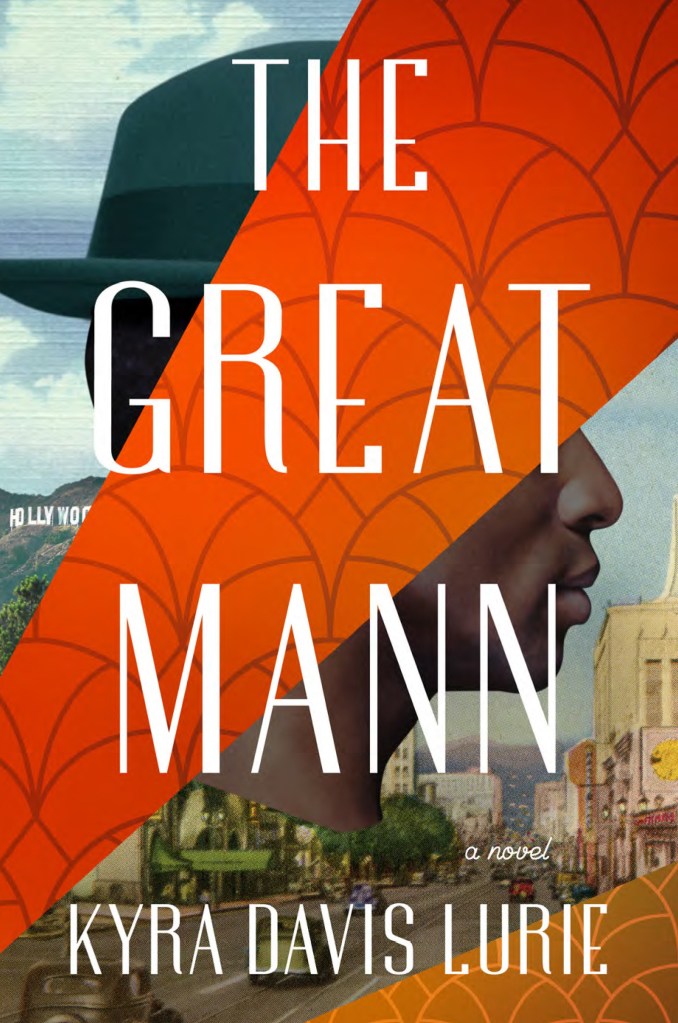
ABOUT THE GREAT MANN: In this poignant retelling of The Great Gatsby, set amongst L.A.’s Black elite, a young veteran finds his way post-war, pulled into a new world of tantalizing possibilities—and explosive tensions.
In 1945, Charlie Trammell steps off a cross-country train into the vibrant tapestry of Los Angeles. Lured by his cousin Marguerite’s invitation to the esteemed West Adams Heights, Charlie is immediately captivated by the Black opulence of L.A.’s newly rechristened “Sugar Hill.”
Settling in at a local actress’s energetic boarding house, Charlie discovers a different way of life—one brimming with opportunity—from a promising career at a Black-owned insurance firm, the absence of Jim Crow, to the potential of an unforgettable romance. But nothing dazzles quite like James “Reaper” Mann.
Reaper’s extravagant parties, attended by luminaries like Lena Horne and Hattie McDaniel, draw Charlie in, bringing the milieu of wealth and excess within his reach. But as Charlie’s unusual bond with Reaper deepens, so does the tension in the neighborhood as white neighbors, frustrated by their own dwindling fortunes, ignite a landmark court case that threatens the community’s well-being with promises of retribution.
Told from the unique perspective of a young man who has just returned from a grueling, segregated war, The Great Mann weaves a compelling narrative of wealth and class, illuminating the complexities of Black identity and education in post-war America.
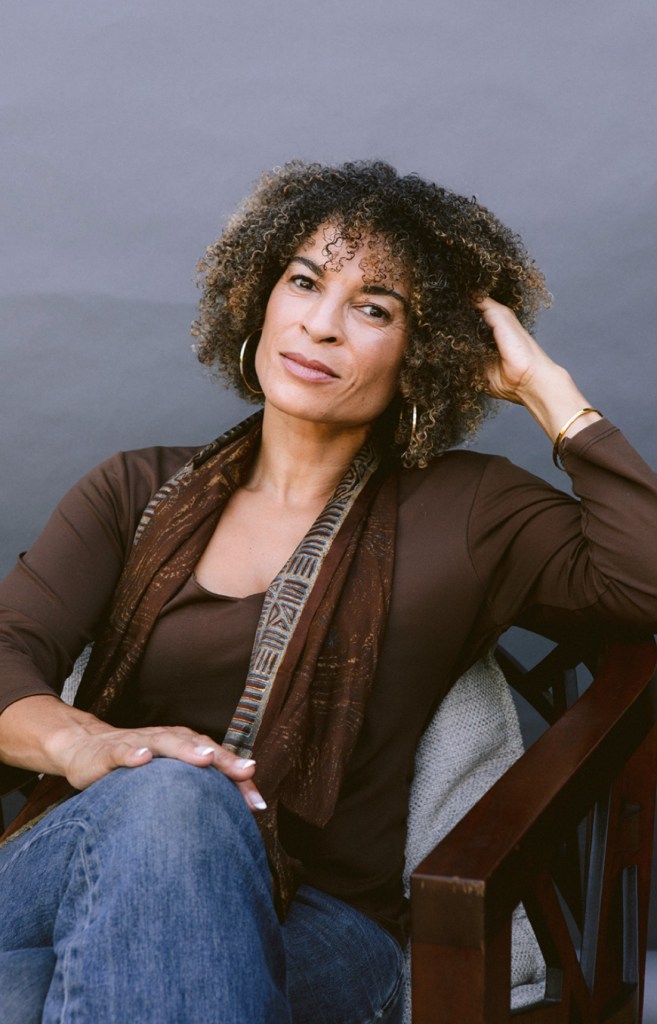
ABOUT KYRA: Kyra Davis Lurie is a New York Times bestselling author and screenwriter. Her books have been published in nine languages across 6 continents. She lives in Los Angeles with her husband where they both serve as advisors to their dog, Potus.
 Chicks on the Case
Wow, I didn’t know any of this. Now I want to dig into this book. Congratulations on your upcoming book.
LikeLiked by 3 people
Thank you!
LikeLiked by 1 person
Kyra, so nice to meet you–and thanks for visiting us Chicks today. I was so riveted by your post and the true/not-so-true stories of these amazing women that I didn’t even take one sip from the coffee mug in my hand. Straight to my TBR! Huge congrats and well wishes for your pub day (tomorrow!). I’ll look forward to the read–and if there’s a movie, I’ll be first in line. Off to reheat my coffee…
LikeLiked by 2 people
Wow, thank you! As a major coffee addict myself, I know what huge compliment that is!
LikeLiked by 1 person
I’ve always been a Lena Horne fan — she never got the attention she deserved! Never knew she had a feud with Ethyl Waters!! Can’t wait to read your book!
LikeLiked by 2 people
This sounds fascinating, Kyra. The history and the story. My kind of book!
LikeLiked by 3 people
Thank you! I really hope you enjoy it!
LikeLiked by 2 people
OMG, I love knowing all this. Good for them! Thanks for these insights.
LikeLiked by 3 people
Of course! These women deserve to be known as the forces of nature that they were!
LikeLiked by 1 person
Kyra, you know I can’t wait to read this! I think a lot of the “sex bombs” were belittled and dismissed. Hedy Lamar was a genius. Jayne Mansfield was a violinist. Marilyn Monroe never got the credit she deserved for being a wonderful actress. Josephine Baker had to move to France to earn the respect she deserved. The list goes on and on.
LikeLiked by 3 people
And on, and on. During the first half of the 20th century, making it as an actress, let alone a Black actress, required subjecting oneself to an endless barrage of humiliations. So often they were required to present themselves as dumb or subservient to the press when in fact they were some of the most independent and savvy people in Hollywood
LikeLiked by 2 people
thank you for telling their stories!!
LikeLike
Wow, this sounds like such a terrific book, Kyra! Iʻm a huge fan of Golden Age movies, especially those fast-paced, fast-talking romantic comedies such as those directed by Frank Capra and Howard Hawks.
As for actors/actresses saddled with a bad rap, people love to talk trash about what a jerk Frank Sinatra (who won an Oscar for “From Here to Eternity”) was, but in reality, he was an amazingly generous man who fought hard for the rights of Black and Latino musicians and actors.
Thanks so much for visiting the Chicks today, Kyra, and for this beautiful and informative post!
LikeLiked by 2 people
I’m honored to have been invited to post!
My father actually worked for Quincy Jones and Quincy had nothing but amazing things to say about Sinatra (and Quincy was often not that generous when talking about the other stars he worked with). Sinatra was clearly a great man and a true advocate for African Americans and other minorities.
LikeLiked by 2 people
How cool is that, that your dad worked for Quincy Jones–another amazing and great man!
LikeLiked by 1 person
Kyra, your book sounded amazing when you first shared the logline with me. Now I’m even more enamored! So excited for you!
LikeLiked by 1 person
Thank you, Jen!!
LikeLiked by 2 people
I am so in! I love this blog post — the story of the white mink alone is already my favorite thing I’ve read all day — and can’t wait to read the book!
LikeLiked by 2 people
I loved that story about the coat too! I wasn’t able to include it in The Great Mann because it happened about eight years before the book was set, so I’m grateful to have been able to share it here. I really do think I’m going to have to write another historical fiction novel just to fit in all the fascinating stories I dug up in my research that I couldn’t quite fit into this one!
LikeLiked by 2 people
Oh, Kyra! Another historical fiction novel on this subject would be so fantastic. Fingers crossed!
LikeLiked by 1 person
Kyra, this post was such a joy to read. Thank you for visiting with us and taking us on this amazing history journey. I loved it and can’t wait to read The Great Mann. I personally loved the behind-the-scenes details of Black celebrities’ contributions to the Civil Rights Movement. Their courage and generosity were amazing, and their use of their platform was impressive and inspiring.
LikeLiked by 1 person
Absolutely, and they weren’t always appreciated for it, not even during their time or amongst their community. That’s doubly true for the women. They deserve their flowers
LikeLiked by 2 people
I agree. They truly do deserve their flowers.
LikeLiked by 1 person
The lies of Hollywood continue off the screen. What fascinating research.
LikeLiked by 2 people
Yeah, the studios claimed it was necessary to placate Southern audiences, but I think it also provided cover for the racism of some of the studio executives too. If they acknowledged the intelligence, independence and the personal strength of their black actors, they would have to explain why they only cast them in roles that belied those traits.
LikeLiked by 2 people
Wow! This is so fascinating, Kyra. Thanks for giving us some truth behind the fiction. Cheers!
LikeLiked by 3 people
🥂
LikeLiked by 1 person
Hi Kyra: Thank you for visiting us today–what a great post. Such fascinating and important stories! Cannot wait to read your book…congratulations!
LikeLiked by 2 people
Thank you for having me!
LikeLiked by 1 person
This book sounds fascinating and thoughtfully researched. I love seeing characters that look like me fully represented in a complex way and I can’t wait to pick this one up.
LikeLike